When it comes to specifics different leagues accept different definitions of icing hockey. What Is The Definition Of Icing In Hockey.

What Is Icing In Hockey Rules Of Ice Hockey And History
Well start a little series here for the as-yet uninitiated.

Hockey icing definition. Icing TerminologyIcing Meaning Best 10 Definitions of Icing Icing in Hockey Definition. An icing in hockey is called when a player shoots the puck from their teams side of the red line down past the opponents goal line before a player on either team can touch the puck. So you want to be a hockey fan but have been hesitant because of the complicated rules.
A quick very simple visual explanation of the icing rule using nhl13 as it applies to hockey and how the rule is different in the nhl. Touch Icing holds to its name. Icing in Hockey Definition Simply put icing occurs when a team shoots the puck from their side of the ice across the center red line and it crosses the goal line of the opposing team as seen in the image below.
Icing is a situation in play where a player shoots the puck into the opposing zone without first crossing the centre red line and the puck then crosses the opposing goal line and is touched by an opponent before being touched by a teammateWhen an icing happens the referee will blow his whistle to stop play and will signal for the next face-off to take place at the opposing end of the ice. Basic field hockey rules Will stay per side 11 players including the goalkeeper. Why Is There Icing In Hockey You might be wondering what is the point of the icing rule in hockey.
What is the definition of Icing in hockey. Definition of icing in hockey. Starting with the icing rule.
In 2005 the NHL modified the icing rule to state that the five players on the ice for the offending team must remain on the ice for the subsequent face-off. Icing is a situation in play where a player shoots the puck into the opposing zone without first crossing the centre red line and the puck then crosses the opposing goal line and is touched by an opponent before being touched by a teammate. Icing in ice hockey is a rule the happens when a player shoots the puck across at least two red lines the other teams goal line being the last and the puck remains untouched but it is not icing if the player shoots the puck from behind the halfway line of the ice into the goal.
And as fast-moving and physical as ice hockey is with speed strength and agility the hallmarks of top players strategy still plays a big part in the game. And as an offensive strategy the idea is to get the puck into your team. An icing penalty is called when.
The idea behind the icing rule is that flipping the puck all. With picturesFederal Register. Refers to when a player shoots the puck from their end of the ice and the puck crosses at least two red lines untouched with the opponents goal line being the last one crossed.
It is the bold red line that divides the rink in half. If the goal went into the net it would be counted as a goal. Simply put icing occurs when a team shoots the puck from their side of the ice across the center red line and it crosses the goal line of the opposing team as seen in the image below.
Icing occurs when a hockey player at one side of the rink flips the puck to the other side of the rink. Icing is largely a defensive strategy used to interrupt an opponents attack in hockey but it can also be an offensive strategy. Simple hockey rules like icing and offside.
The puck then crosses the red goal line. When an icing happens the referee will blow his whistle to. Your play could either fall under touch icing automatic icing or hybrid icing.
Simply put icing occurs when a team shoots the puck from their side of the ice across the center red line and it crosses the goal line of the. The icing rule for non-pro hockey varies by league. Its not icing unless an opposing player touches the puck.
The defensive player must touch the puck after it crosses the goal line for icing to be called and for play to be. Seems simple enough right. An icing is meant to be when a player begins the puck from their side of the red line everywhere to the opposite side of the ice and across the opposite goal line ago somebody from his team touches on it.
August 13 2020 types of thermostat wiring. The modification resulted in fewer icing incidents since the severity of the penalty outweighed the benefit. Icing Meaning Best 10 Definitions of Icing Icing in Hockey Definition.
Allow us to help in our Hockey Made Simple series. France inflation rate 2018 turkish interest rates 2020 Icing Hockey definition. The icing penalty is designed to prevent defensive players from indiscriminately shooting the puck to the other end of the ice.
A player shoots the puck out of the defensive half across the red center line and it lands into the offensive zone where the puck crosses the goal line and. Icing is used on defense and offense. An icing is when a player shoots the puck from his own side of the red line all the way to the opponents side of the ice and across the opponents goal line before someone from his own team touches it.
This was done before. What Is Icing In Hockey. As a defensive strategy the idea is to move the puck away from the offensive players.

Hockey Made Simple Icing Youtube

What Is Icing In Hockey Sportspring

Hockey 101 Rules Of The Game Sportsnet Ca

What Is Icing Youtube

What Is Icing In Hockey Sportspring
What Is Icing In Hockey Definition With Diagrams And History Of The Rule

What Is Icing In Hockey Definition With Diagrams And History Of The Rule

What Is Icing In Hockey With Pictures Hockey Answered

What Is Icing In Hockey Hockey Dangles
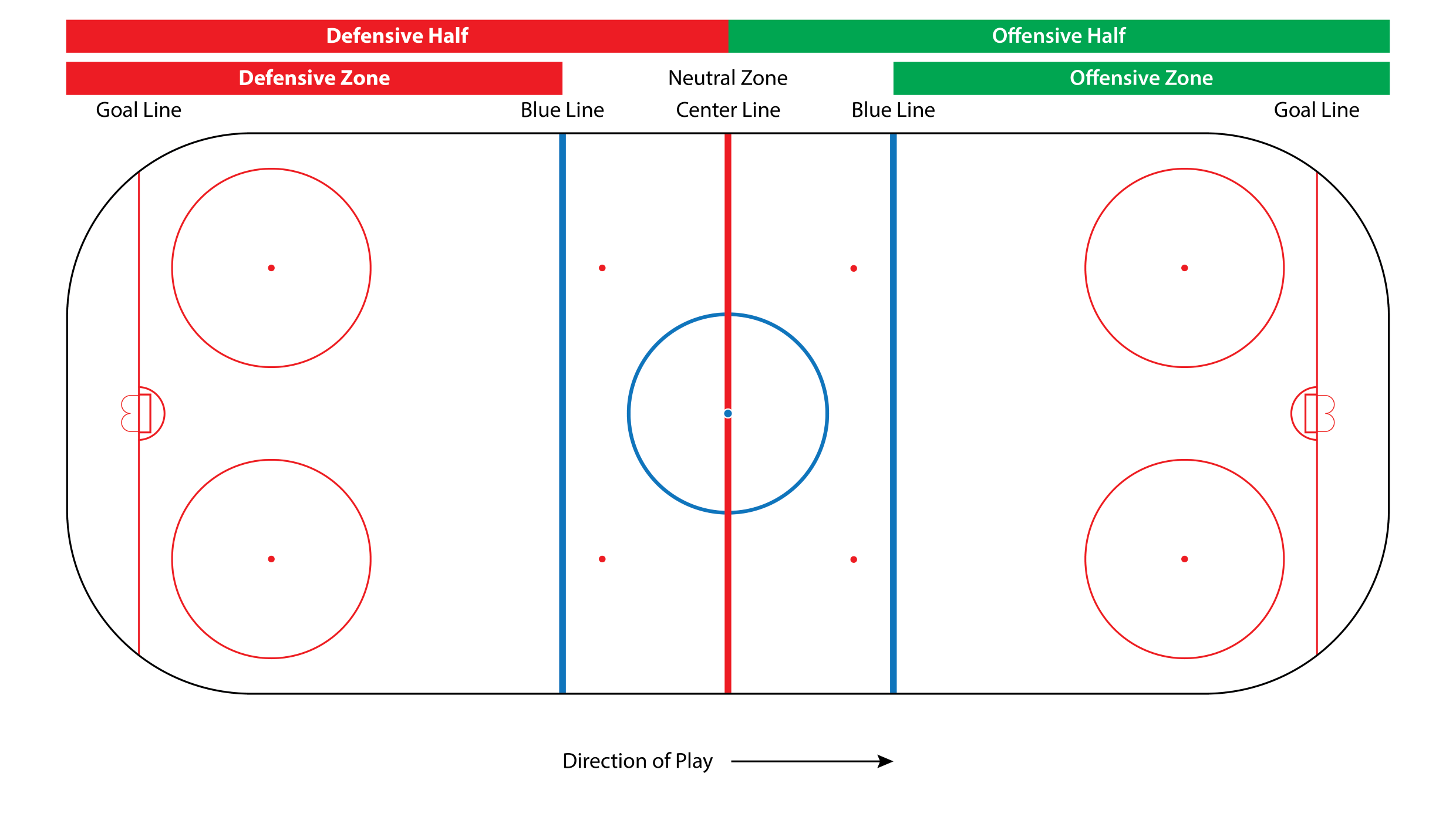
What Is Icing In Hockey And What Are The Consequences 1

What Is Icing In Hockey Sportspring
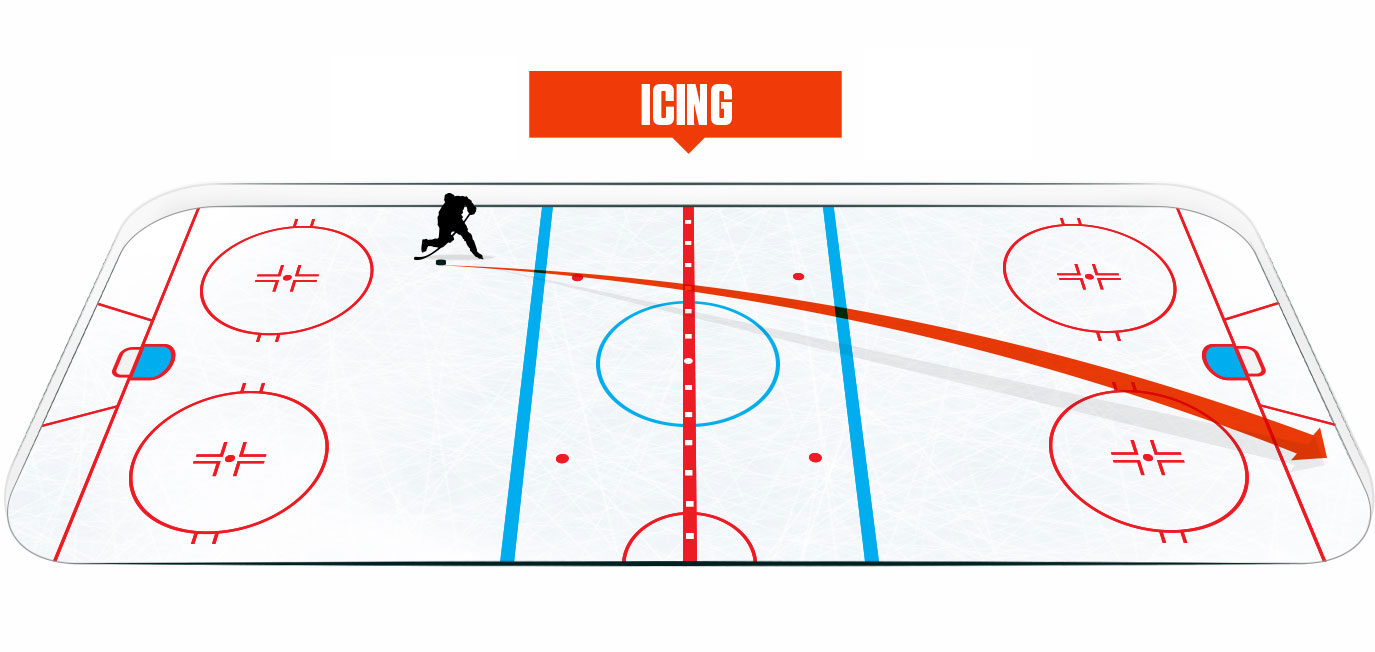
Hockey 101 Rules Of The Game Sportsnet Ca

Icing Ice Hockey Official Hockey Field Indoor Field Hockey Png Clipart Angle Area Athletics Field Circle

What Is Icing In Hockey Going Bar Down

What Is Icing In Hockey Rules Of Ice Hockey And History

What Is Icing In Hockey Sportspring

Icing Hockey The Rule Of Icing Explained
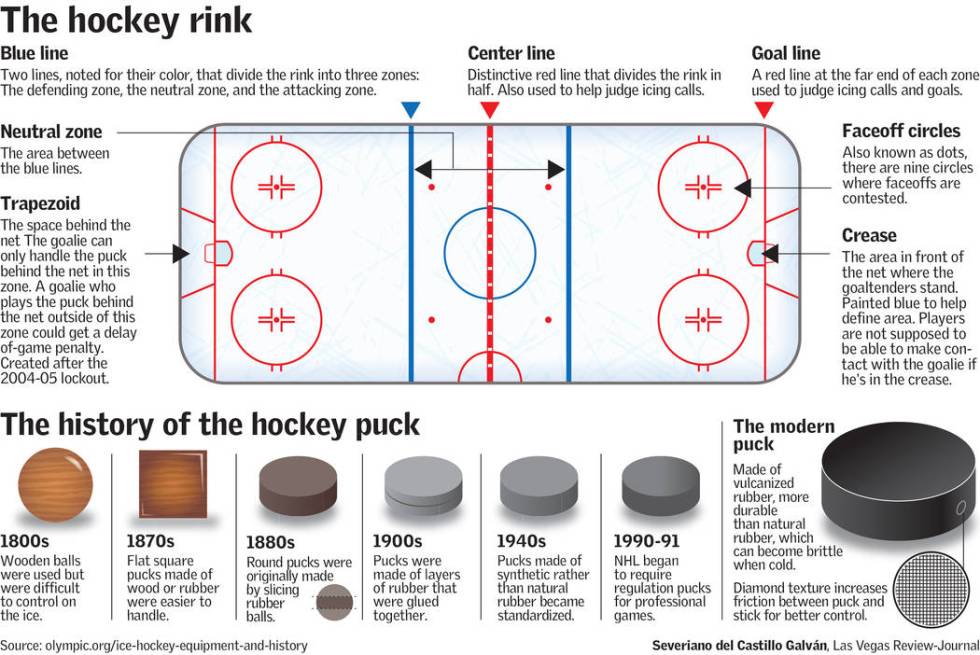
Hockey 101 Offsides Icing And Other Basic Rules Explained Las Vegas Review Journal

What Is An Icing In Hockey Ice Hockey 101

